12 Lessons From a Month-Long Meal Plan

After completing a four-week meal plan with a $400 cash budget, I came in just under budget with about $35 left over. The process wasn’t perfect—I didn’t follow the plan 100%, and my family wanted flexibility—but it taught me valuable lessons about budgeting, meal planning, and feeding a family affordably.
Here are the 12 key lessons I learned (and how you can apply them too):

1. Use cash for groceries
Starting with cash created a boundary. When the money was gone, it was gone—and that kept me disciplined. I recommend setting your monthly grocery money aside in cash envelopes.
2. Find accountability
Telling someone you’re sticking to a budget (whether a spouse, friend, or online community) makes it harder to overspend. Knowing I’d have to “report back” kept me on track.
3. Set a realistic budget
While $400 was doable, it was very tight. A $550–$600 budget might be more realistic long-term, especially if you want extra snacks, fresh produce, or occasional splurges.

4. Build a pantry & freezer surplus
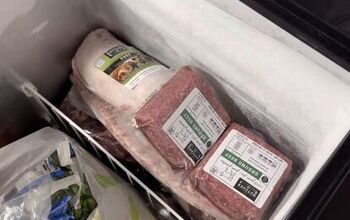
This plan worked because I already had food stored. Stock up when you find markdowns or sales. Having a surplus means you’re never starting from scratch.
5. Convenience costs
Eating out adds up fast. A single restaurant meal for my family cost between $30–$70. Compare that to a homemade meal that costs a fraction. Cooking at home saves big.
6. Repurpose leftovers
Make larger portions and reuse them. For example, cook extra chicken one night and use it for soup, wraps, or pasta later in the week. Leftovers save time and money.

7. Quick meals still work
Budget-friendly doesn’t mean complicated. Many of our meals took 30 minutes or less. Sandwiches, spaghetti, and stir-fry can be healthy and affordable without hours in the kitchen.

8. Use big box stores wisely
Memberships at Sam’s or Costco can pay for themselves in one trip. Sam’s often has better prices; Costco offers more organic options. Both can save you money on staples.
9. Prioritize needs over wants
Having a set cash budget forced me to focus on essentials and skip extras. It helped me say no to myself and my kids more easily, while still allowing the occasional treat.

10. Plan ahead
Spending 30 minutes each week to create a meal plan and grocery list saves stress, time, and money. Planning ahead reduces the temptation to eat out.

11. Healthy can be affordable
Healthier foods fit into a budget if you’re willing to make more from scratch. Homemade sauces, dressings, and mixes are cheaper and usually better for you.
12. Watch sales closely
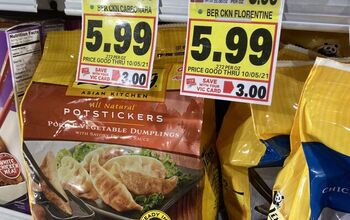
Pay attention to weekly ads and store flyers. Choosing the right store and buying sale items can cut your grocery bill by 25% or more without sacrificing quality.
This $400 budget challenge wasn’t perfect, but it was eye-opening. It showed me where I overspend, helped me reset my habits, and gave me tools to be more intentional.
Now I’d love to hear from you! What are your best grocery budgeting tips? What helps you stretch your food dollars further? Share your thoughts in the comments so we can all learn together.
























Comments
Join the conversation
I do not use cash for groceries - or for that matter, not for anything if I can help it. I aways use my main credit card with cash back promotions on spending and I have been using this system for raising my family in 42 years of marriage. To date I have earned over $7,000 in free money. You just have to be disciplined, understand the difference between needs and wants, and still plan a budget. You just use the card instead of cash for all purchases, and you make money in the long run. You spend cash and that's the end - no advantage.
If you live in a farming area become friends with someone who raises beef or hogs for processing. Paying the farmer a fair price and paying for processing averages out to less per pound than hamburger from the store. The flavor is so much better and you have steaks, roasts, etc. Of corse you also need a freezer.