How Growing Up Frugal Taught Me to Be Happy With Less

Growing up frugal can shape both strengths and struggles, depending on the motivation and mindset behind it. For me, I believe the way I was raised taught me lifelong lessons that continue to benefit me as an adult.
A family history of resilience
I was raised by Depression-era parents who grew up during World War II and rationing. Their experiences and even earlier family history dating back to the Dust Bowl and homesteading shaped their belief in determination, resourcefulness, and hard work. Being frugal wasn’t seen as hardship but as a stepping stone to a better life.

1. Becoming a thoughtful planner
One of the greatest benefits of frugality is learning how to plan wisely. I focus on goals, time management, and using resources like money, energy, and income effectively. Living this way feels natural to me and continues to make a positive impact on my life and finances.

2. Delayed gratification comes naturally
Growing up, I learned the value of waiting for what I wanted. Saving up money often led me to realize I didn’t want something as badly as I first thought, which prevented impulse spending. Today, I naturally create wish lists, plan purchases, and avoid unnecessary debt.
3. Negotiation skills
Watching my parents negotiate big purchases left a strong impression. They paid for cars in cash and always asked, “What can you do for me if I pay today?” That skill of negotiating has stayed with me, and I use it even now for things like home improvements.

4. Building financial stability
Because I was raised to save, financial security feels like a priority rather than an afterthought. Instead of focusing on appearances or material possessions, I value the confidence of knowing I am financially stable. That security is a quiet but powerful benefit of frugality.

5. Creative problem-solving
Frugality encourages creativity. I grew up in a household where you reused, repaired, and made the most of what you had. That mindset not only saved money but also encouraged resourcefulness, which I still rely on today.

6. Less materialism, more contentment
My childhood taught me to enjoy what I had rather than constantly wanting more. Christmas gifts were simple, like fruit, pajamas, or a doll, but they were always appreciated. That mindset makes me less materialistic and more satisfied with fewer possessions.

7. Practicing gratitude
Living frugally instilled gratitude in me. Whether it was appreciating new pajamas at Christmas or feeling thankful for something I saved up to buy, I learned to distinguish between needs and wants. That gratitude makes it easier to be happy with less.

8. Prioritizing relationships and experiences
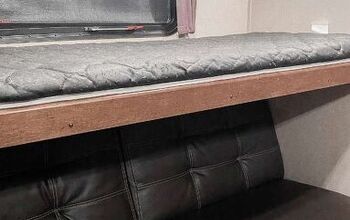
Instead of focusing on things, my family prioritized experiences. We traveled in homemade campers, visited all 50 states, and made countless memories. Later, I passed that same tradition on to my children, who also grew up valuing shared experiences and connections over material possessions.

Lifelong lessons of connection
Even simple things, like six kids sharing one bathroom, created bonds and stories that we still laugh about today. Those shared experiences are worth far more than anything money could buy. Living frugally gave me not just financial stability but also lifelong connections with family.

Growing up frugal shaped me into someone who plans wisely, values experiences, and appreciates what I have. These lessons have been far more meaningful than any material possessions could ever be, and I carry them with me every day.
Please do share in the comments if you think of additional benefits to growing up frugally! And if this article resonated with you, check out how Depression-Era lessons can help us save money today.













Comments
Join the conversation
Awesome!! Thanks!!