Induction Vs. Electric Cooktops: A Frugal Cooking Comparison

When it comes to outfitting your kitchen on a budget, choosing the right cooktop can make all the difference, not only for your cooking experience but also for your monthly energy bills. Induction and electric cooktops are two popular options, each with its strengths and quirks. If you’re torn between the two, here’s a frugal comparison that breaks down upfront costs, efficiency, safety, and long-term value—all with smart, budget-friendly picks.
Disclosure: Simplify may earn a small affiliate commission from purchases made through Amazon links in this article, at no additional cost to you.

Upfront Costs: Electric Wins (Usually)
Traditional electric cooktops typically cost less than induction models. For example, a simple 30-inch ceramic electric cooktop often runs hundreds of dollars cheaper than a similar-sized induction version. This makes the electric option an easier choice if you’re furnishing a kitchen on a tight budget.
A reliable 4-burner electric cooktop with easy-to-clean surfaces offers a straightforward installation without the need for special cookware. If your top priority is minimizing the initial investment, electric still holds the crown.

Frigidaire FFEC3025UB 30 Inch Electric Smoothtop Style Cooktop
Efficiency & Energy Bills: Induction Pulls Ahead
Induction cooktops use electromagnetic energy to heat your pots directly, skipping the process of warming a burner first. This means far less energy is lost in the air, and water boils up to 50% faster.
While induction cooktops typically have a higher upfront cost, they can pay for themselves over time through reduced energy bills. A popular portable single induction burner can also be a smart buy if you want to experiment without committing to a full cooktop upgrade.

Rosewill Induction Cooker 1800 Watt, 5 Pre-Programmed Induction Cooktop
Cookware Requirements: Electric is More Forgiving
An electric cooktop works with any type of cookware—stainless steel, aluminum, copper, or cast iron. No need to overhaul your pots and pans.
Induction, on the other hand, requires magnetic cookware. You’ll need pots that attract a magnet (like cast iron or stainless steel designed for induction). This could mean an additional expense if your current set doesn’t cut.

Karinear 4 Burner Electric Cooktop 24 Inch
Safety: Induction Offers Cool-to-Touch Surfaces
If you’ve got kids or tend to be a bit accident-prone, induction is safer. The cooktop surface stays relatively cool since it only heats the pot directly, so no red-hot coil or glass will glow underneath your skillet.
Many induction models also feature auto shut-off when no pan is detected, reducing the chance of fires. That said, most modern electric cooktops have indicator lights to warn when the surface is hot.

Duxtop 1800W Portable Induction Cooktop Countertop Burner
Ease of Cleaning: Both Are Smooth Operators
Gone are the days of scrubbing around bulky coil burners. Both electric and induction cooktops feature sleek glass or ceramic tops that are simple to wipe down.
But induction holds a slight edge: since the surface doesn’t get as hot, spills are less likely to burn on. A quick pass with a microfiber cloth or sponge keeps it spotless.
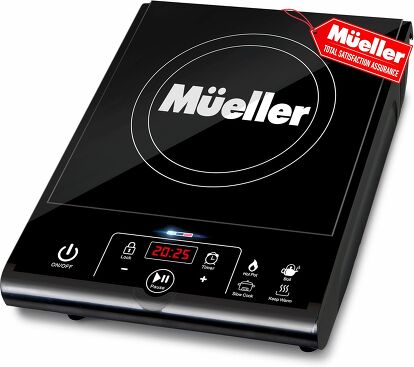
Mueller RapidTherm Portable Induction Cooktop, 1800W Hot Plate Electric Stove Top Burner
Portability & DIY Options: Induction Shines
Portable induction burners are an excellent frugal hack. They’re perfect for small apartments, RVs, or as an extra burner during holiday cooking. Many budget-friendly single induction units offer surprising power (up to 1800W) and can slide into a cabinet when not in use.
In contrast, portable electric coil burners are still around and very inexpensive, but they’re slower and harder to clean.

Nuwave Flex Precision Induction Cooktop, 10.25” Shatter-Proof Ceramic Glass
The Frugal Bottom Line
If your main priority is the lowest upfront cost and flexibility with any pots and pans, electric cooktops win. They’re simple, proven, and more forgiving on your wallet right out of the gate.
If you’re thinking of long-term savings on energy bills, appreciate faster cooking times, and want a cooler, safer surface, induction could be worth the investment, especially if you start with a portable unit to test it out. Either way, there are solid, budget-conscious options that can transform your DIY kitchen setup without draining your bank account.




























Comments
Join the conversation
If you like cooking with gas, then induction wins hands down. It's immediate responsiveness to turning the heat up or down with no lag time is very similar to gas. I love it and would never consider using anything else.
I have a standard 30” electric stove and I have a portable 1800 watt induction burner. I’m fortunate to own a full set of induction ready cookware. I find I’m using my induction burner far more frequently than my smooth top electric stove. The reason? It is so much faster, easier to clean and has the responsiveness of gas. I grew up with a gas stove and used a gas cook top until I retired at 65 and moved to an area where natural gas is hard to find. It’s induction, hands down for me! PS. Am considering replacing my electric stove with an induction stove with electric oven.