10 Things I Never Buy at the Grocery Store to Avoid Microplastics

If you’re trying to cut back on ingesting microplastics, there are some surprising everyday items at the grocery store that might be working against you.
I’ve made specific changes in my shopping habits to avoid microplastics and I’ve absolutely noticed a difference. They're now finding microplastics in every organ of the body, including the brain. It's even being linked to Alzheimer's. No thank you!

Follow along to learn the 10 changes I’ve made that have significantly reduced my microplastic exposure.
1. Pre-shredded and individually wrapped cheese
Instead of buying cheese that’s shredded or individually wrapped, I always go for a block of cheese.

It might take a little more effort to slice or shred it, but it’s so worth it to avoid the plastic that breaks down and leeches into fatty foods like cheese, especially since most of these wraps contain LDPE or PVC, which are carcinogenic and endocrine disruptors.
2. Yogurt in plastic tubs
Yogurt is a staple in my house, but it almost always comes in plastic containers. I’ve started making my own yogurt at home using an Instant Pot. It’s simple, healthier, and eliminates the need to buy new plastic-packed tubs every week.

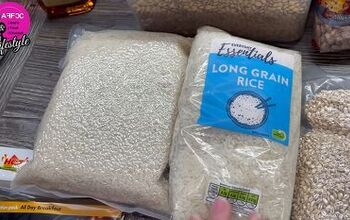
3. Packaged grains, spices, and snacks
Bulk bins are a go-to for me now. I stock up on grains, spices, nuts, and seeds this way—it's cheaper, cuts down on packaging, and keeps me away from unnecessary plastic exposure.

4. Frozen and ultra-processed foods
Foods like frozen chicken nuggets, fries, and ready-made meals are often processed through dozens of machines, increasing their microplastic exposure.
When my daughter buys TV dinners, I make sure she removes them from the plastic tray before heating, especially those black plastic ones, which are among the most toxic.

5. Produce wrapped in plastic
I never use those little plastic produce bags anymore. Instead, I put fruits and vegetables directly into my cart or bring my own bags, and I avoid buying pre-cut or plastic-wrapped produce like watermelon slices or lettuce in styrene containers whenever I can.

6. Tea bags and K-cups
Many tea bags contain plastic, even those that look like paper. I only drink loose-leaf tea now and steer clear of K-cups for coffee too, since both can release micro- and nanoplastics when exposed to hot water.

7. Sticky or oily foods in plastic jars
Things like pasta sauce, honey, syrup, and ketchup often come in plastic. But oily foods like these are more likely to leech chemicals from the plastic. I always choose glass jars instead, since glass is inert and doesn’t break down into your food.

8. Pasta in plastic bags
I’ve noticed that brands are starting to package pasta in plastic instead of cardboard. I look for pasta in recyclable or compostable boxes and even avoid ones with plastic windows, since those are unnecessary and reduce recyclability.
9. Meat in foam trays
Meat usually comes on foam trays wrapped in plastic, which is a nightmare for microplastics, especially because meat is high in fat.

I try to buy from the butcher instead and plan to start bringing my own glass container to reduce waste and plastic contact even further.
10. Spreadable butters and cream cheeses in plastic tubs
These spreads sit in low-quality plastic containers for months, and the scraping with a knife creates even more plastic exposure.
Even if the tubs say “BPA-free,” they often use replacement chemicals like BPS, which can be even more harmful, something called regrettable substitution.
By avoiding these 10 grocery store items, I’ve found it much easier to reduce my family’s microplastic intake. Making a few intentional swaps can really make a big difference.
Let me know in the comments if you plan to avoid these sources of microplastics or if you have any items to add to the list! Next up, check out how to keep your home clutter-free with minimal effort.























Comments
Join the conversation
So how do you buy cream cheese and soft butter?
v
I try to buy glass containers when possible. The items in plastic get swapped to glass when I get home. It’s not ideal but the best I can do.