How to Transition to Tiny Living

If you’ve ever dreamed about downsizing, living more intentionally, and trading “stuff” for experiences, Michelle’s journey into tiny living is a blueprint worth following. With five years of experience (first in a camper and now in a 200 sq ft tiny home), she offers hard-earned insights that go far beyond aesthetics.

1. Start with your “why”
Michelle’s story began with a mindset, not a blueprint.
“Ever since I was young, I never really cared much about material items. For me, life has always been about experiences, not collecting things.”
This philosophy shaped how she raised her son (prioritizing concert tickets over toys) and became the foundation for her transition to a smaller lifestyle.
Ask yourself:
- What do you value most—stuff or freedom?
- Are you seeking lower expenses, more travel, or a simpler day-to-day life?

2. Try it before you buy it
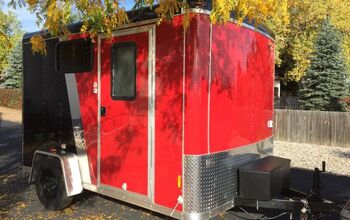
Michelle recommends testing tiny living with a camper or RV trip—even for just a week. It’s one thing to watch tours online; it’s another to live with limited space, weather exposure, and compact kitchens.
“You don’t want to spend all your money and then realize this lifestyle isn’t for you.”

3. Choose quality over cheap
Not all tiny homes are built equally. Michelle cautions against buying the cheapest tiny house you can find online—especially in harsh climates like northern Texas.
“You need something robust that can handle storms, freezes, and hot weather.”
She chose a high-quality tiny home built by Decathlon Tiny Homes—airtight, well-insulated, and well-planned.

4. Understand the costs
Michelle bought her 200 sq ft tiny home fully furnished for $83,000, with no-interest owner financing. She pays $550/month for lot rent, which includes water and trash. Internet is an extra $50/month. Electricity varies.
Pro tip: Carefully review ownership agreements. Michelle made sure to have a lawyer draft her contract so she was protected in every possible scenario.

5. Pick the right tiny home community
After moving to Texas, Michelle found Namaste Hideaway, a peaceful tiny home village in Van Alstyne. The supportive community, good Wi-Fi, and natural setting made it the perfect fit.
“I live by myself, but I never feel alone here.”
Residents connect via WhatsApp, plan monthly events, and genuinely look out for one another.
6. Make smart use of small spaces
Michelle’s tiny home includes:

- A multi-functional kitchen with an induction cooktop, air fryer microwave, and hanging pot rack.

- A large shower and flushing toilet (luxuries after camper life!)
- A combo washer-dryer (though she admits the washing cycle could be stronger)

- A cozy bedroom on the main floor (no loft sleeping!)

- Clever features like a pop-up desk, pull-out drying rack, and deep under-bed drawers
“Every space is utilized. It’s compact, but it works perfectly for me.”
7. Expect the unexpected
From plumbing to layout quirks, no home is flawless.
- Michelle’s pink couch has a pull-out bed—but it doesn’t open all the way.
- Her washer/dryer combo isn’t ideal—so she’s considering a standalone washer instead.
- Her heat source (wood stove) occasionally lets in smoke—but she learned how to manage it thanks to YouTube.
These are all part of the learning curve that comes with tiny living.
8. Embrace a more intentional life
For Michelle, the greatest gift of tiny living isn’t the low bills or the cozy interior—it’s freedom. Freedom to travel, work from anywhere, and spend her energy on things that truly matter.
“It’s not about how much time I have left, but how I want to spend it.”
Michelle's journey reminds us that tiny living is about so much more than square footage. It’s about intentionality, community, freedom, and joy.
Have you ever considered downsizing or living in a tiny home? Share your thoughts, questions, or experiences in the comments—we’d love to hear from you!




















Comments
Join the conversation
Honest, thoughtful advice.
Thank You