Frugal Living That Works: Old-School, Money-Smart Tips

With prices rising on everything from groceries to electricity, stretching every dollar has never felt more urgent. If it feels like you're trying to make a dollar out of fifteen cents, you're not alone. Today, we’re going back to basics with practical, time-tested frugal habits from the Great Depression—simple strategies that helped past generations survive tough times and can still save you money today.
1 - Use it up, wear it out, make it do, or do without
Start by shifting your mindset from throwing things away to asking how you can extend their life. Before replacing an item, ask yourself: can I fix it, repurpose it, or simply go without it? That holey T-shirt becomes a cleaning rag, the wobbly chair just needs its screws tightened, and that blender might only need a small repair.

2 - Meal plan based on what you already have
Instead of asking yourself what you feel like eating and running to the store, take a page from your grandmother’s book and look at what’s in your pantry. Build meals from the food already in your home. If you’ve got potatoes, frozen veggies, and chicken thighs, then it’s casserole night. This habit prevents unnecessary grocery trips and food waste.

3 - Mend and repair your clothes
When your clothes get damaged, don’t toss them—just mend them. A simple sewing kit or iron-on patches from the dollar store are often all you need. Fixing hems, sewing on buttons, or patching holes can save you a lot over time.
4 - Keep a scrap bag for reusable materials
Instead of throwing away old clothes or household items, start a scrap bag. Cut large pieces of fabric, pop off buttons, save zippers, strings, and other useful parts. Store them in a small bin or drawer and use them for crafts, repairs, or DIY projects.

5 - Air dry your laundry
Dryers are convenient but expensive. Air drying your clothes saves electricity and extends the life of your garments by reducing fiber wear. If you don’t have outdoor space, use hangers, a shower curtain rod, or an indoor drying rack.
6 - Save bacon grease and cooking scraps
If you cook bacon, don’t throw out the grease. Pour it into a jar while hot and store it in the fridge. It adds flavor to vegetables, eggs, or cornbread, and reduces your need for store-bought oils and seasonings.

7 - Use cash envelope budgeting
To control spending, switch to a cash envelope system. Allocate cash into envelopes for each spending category. The physical act of handing over cash creates a greater awareness of your spending habits. Once the envelope is empty, you're done spending in that category—no overdrafts or surprise charges.

8 - Make gifts instead of buying them
Instead of spending money on store-bought gifts, create meaningful DIY presents. You can make jam, crocheted pot holders, or cookie mugs from simple and inexpensive materials. Homemade gifts are thoughtful, personalized, and can save you $10 to $50 or more per gift.
9 - Collect and use rainwater
Rainwater is free and naturally soft, making it ideal for cleaning, laundry, and even rinsing hair. Set up a rainwater collection system to reduce your water bill and avoid the need for chemical-laden tap water for certain household tasks.
10 - Cook from scratch
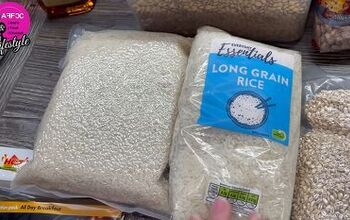
Prepackaged food often comes with a “convenience tax”—you pay more for less food. By cooking from scratch, you can make a much larger quantity of food for a fraction of the cost. Making tortillas, flavored rice, or sauces at home can easily save you $50 to $200 a month.

11 - Embrace leftovers
Instead of tossing leftovers, reinvent them. Turn yesterday’s meal into a soup, stir-fry, or casserole. Get creative and view leftovers as ingredients, not waste. This not only saves food but also cuts down your need to buy more groceries.
12 - Reuse everything you can
Think twice before tossing things. Old clothes can become quilts, jars can become cups, and cardboard boxes can turn into organizers. Reusing everyday items is not only sustainable but also a fun and creative way to meet your needs without spending money.
13 - Barter and trade instead of spending
If you’re short on cash, trade your skills or items. Offer cookies in exchange for yard work, or babysit in exchange for a ride. Bartering builds community and allows you to get what you need without opening your wallet.

14 - Stretch your meat further
Use meat as a flavor booster rather than the main course. Add beans, rice, breadcrumbs, or veggies to bulk up meat-based dishes. This allows you to make more meals with less meat, reducing your grocery bill significantly.
15 - If it still works, don’t replace it
Just because something is old doesn’t mean it’s useless. If an appliance, piece of furniture, or item of clothing still does its job, keep using it. This simple mindset can prevent unnecessary spending and waste.
16 - Wash your hair less frequently
Washing your hair less often saves water, electricity, and shampoo. Older generations washed their hair weekly or even less, and their hair was often healthier as a result. Use cornstarch (or cocoa powder for dark hair) as a DIY dry shampoo in between washes to stretch your supplies even further.

17- Use simple, heat-free hairstyles
Stick to low-maintenance hairstyles like buns, braids, or pin curls. These styles don’t require frequent heat styling or salon visits, saving you money on electricity and hair care services while keeping your hair healthier.
18 - Moisturize with what you already have
In the past, people used leftover kitchen fats like lard or bacon grease to moisturize dry skin. While you might not want to go that far, using affordable kitchen oils like olive oil for body and hair care can save you from buying expensive lotions and creams.

19 - Use apple cider vinegar for everything
Apple cider vinegar is a versatile, inexpensive product that can be used for beauty, cleaning, and cooking. Dilute it and use it as a hair rinse, facial toner, or even a drain cleaner. One bottle can replace multiple products, saving you both space and money.
20 - Live well on less
Your grandparents and great-grandparents didn’t have Amazon or TikTok, but they knew how to stretch every dollar. These tips aren’t just relics—they’re practical, timeless habits that you can start using right now. Whenever money is tight, revisit these ideas, put one into practice, and watch your savings grow.
Pick one step and try it out this week—then come back and let me know how it went. Which tip are you most excited to try? Drop it in the comments and let’s swap ideas for living well on less—by choice, not desperation.

























Comments
Join the conversation