Great Depression Cooking: How to Make the Most of Leftovers

During the Great Depression of the 1930s, home cooks faced tight budgets, limited resources, and a daily challenge to feed their families with whatever they had on hand.
What resulted was a generation of incredibly resourceful, no-waste cooks who knew how to stretch ingredients, repurpose scraps, and create filling meals from leftovers.
Today, many of those lessons remain just as relevant—especially for anyone interested in saving money, reducing food waste, or simply cooking smarter.
Here’s how you can bring some Great Depression wisdom into your modern kitchen and make the most of your leftovers.
Table of contents
- 1. Soup Was—and Still Is—a Lifesaver
- 2. Stale Bread Became an Ingredient, Not Trash
- 3. Leftover Meat Was Stretched to Feed More
- 4. Every Vegetable Had a Second Life
- 5. Casseroles Were the Original Budget Meal
- 6. Eggs and Potatoes Were Heroes
- 7. Dessert Was Simple but Satisfying
- 8. The Icebox Was a Planning Tool
- Final Thoughts
1. Soup Was—and Still Is—a Lifesaver
One of the most common strategies during the Great Depression was turning scraps and leftovers into soup. Whether it was yesterday’s roast chicken bones or the last bit of mashed potatoes, nothing went to waste.

How to do it today:
- Keep a container in the freezer for vegetable trimmings like onion skins, carrot ends, celery leaves, and garlic cloves. Once full, simmer with water and a bay leaf to make a flavorful broth.
- Add any cooked meat, pasta, rice, beans, or vegetables you have on hand.
- Spice it up with dried herbs, salt, and pepper—or even a splash of vinegar or tomato sauce for depth.
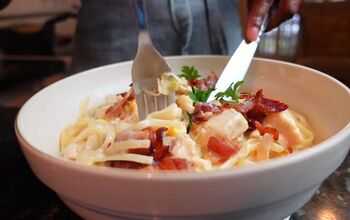




2. Stale Bread Became an Ingredient, Not Trash
Bread was never wasted. Even when stale, it had a purpose—turned into breadcrumbs, bread pudding, or used to bulk up meat dishes like meatloaf.

Modern tips:
- Cube stale bread and toast it to make croutons.
- Soak it in milk and add to meatballs or burgers for tenderness.
- Make a sweet or savory bread pudding using leftover bread, eggs, and whatever add-ins you have (fruit, veggies, cheese).


3. Leftover Meat Was Stretched to Feed More
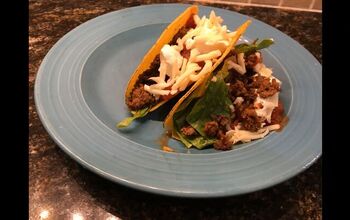
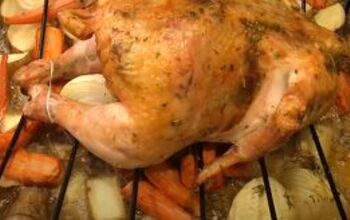
A small piece of meat might have been Sunday dinner, but any leftovers were used for at least one or two more meals.

Ideas to try:
- Shred leftover roast chicken or beef and add it to soups, casseroles, or sandwiches.
- Chop and mix with cooked potatoes and onions for a hearty hash.
- Combine with rice or pasta and a sauce for a satisfying, stretched meal.



4. Every Vegetable Had a Second Life
Whether homegrown or bought sparingly, vegetables were precious. Cooks used peelings, stems, and slightly wilted produce to make broths, side dishes, or veggie patties.

What you can do now:
- Use potato peels or carrot skins in broth or roast them into crispy chips.
- Make veggie fritters with leftover corn, zucchini, or even mashed potatoes.
- Toss extra or soft veggies into pasta, stir-fries, or frittatas.


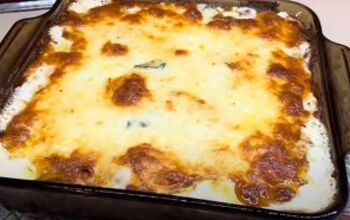
5. Casseroles Were the Original Budget Meal
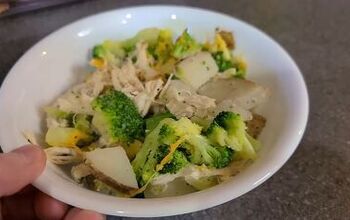
Combining small portions of leftovers into a “hot dish” or casserole was standard practice. These dishes were easy to stretch, used simple ingredients, and were a great way to use up bits and pieces.

Try this method:
- Start with a base: rice, pasta, or potatoes.
- Add in leftover vegetables and protein (even just a few spoonfuls).
- Mix with a binder like cream of mushroom soup, cheese, or a simple white sauce.
- Top with breadcrumbs or shredded cheese and bake until golden.




6. Eggs and Potatoes Were Heroes
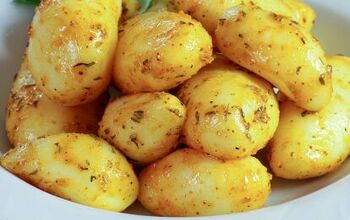
Eggs and potatoes were affordable, versatile, and filling. They were used to make everything from potato pancakes to frittatas, and even simple skillet dinners.

Ideas to incorporate:
- Make a leftover frittata with bits of meat, cheese, and cooked vegetables.
- Fry up cold mashed potatoes into patties for a crispy side.
- Use eggs to bind veggie scraps or cooked grains into patties or savory loaves.



7. Dessert Was Simple but Satisfying
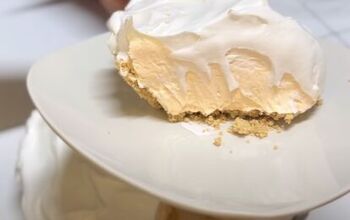
Even when ingredients were scarce, families found ways to make treats. Depression-era desserts often used no eggs, no butter, and minimal sugar.

Examples:
- Try “Wacky Cake” made with vinegar, cocoa, and oil—no eggs or dairy required.
- Simmer bruised apples or overripe fruit with a little sugar and cinnamon for a quick fruit compote.
- Use leftover rice to make rice pudding with milk and a touch of sweetener.



8. The Icebox Was a Planning Tool
Before refrigerators were common, the “icebox” was used to store perishables—and cooks learned to check it often and use up what needed to go.
Your takeaway:
- Do a quick fridge scan daily and plan meals around what needs to be used soon.
- Store leftovers in clear containers so you don’t forget about them.
- Create a "use-it-up" shelf for items close to expiration.

Final Thoughts
The cooks of the Great Depression didn’t have much, but they made the most of what they had—out of necessity, ingenuity, and care.
Today, those same principles can help us save money, reduce waste, and bring a little more intention into our kitchens.
Whether you’re making soup from scraps or rethinking your leftovers, remember: nothing is too small to be useful.

















Comments
Join the conversation
how did diabetics and such survive the war??